Types of Carbon: Understanding the Colors Behind the Element
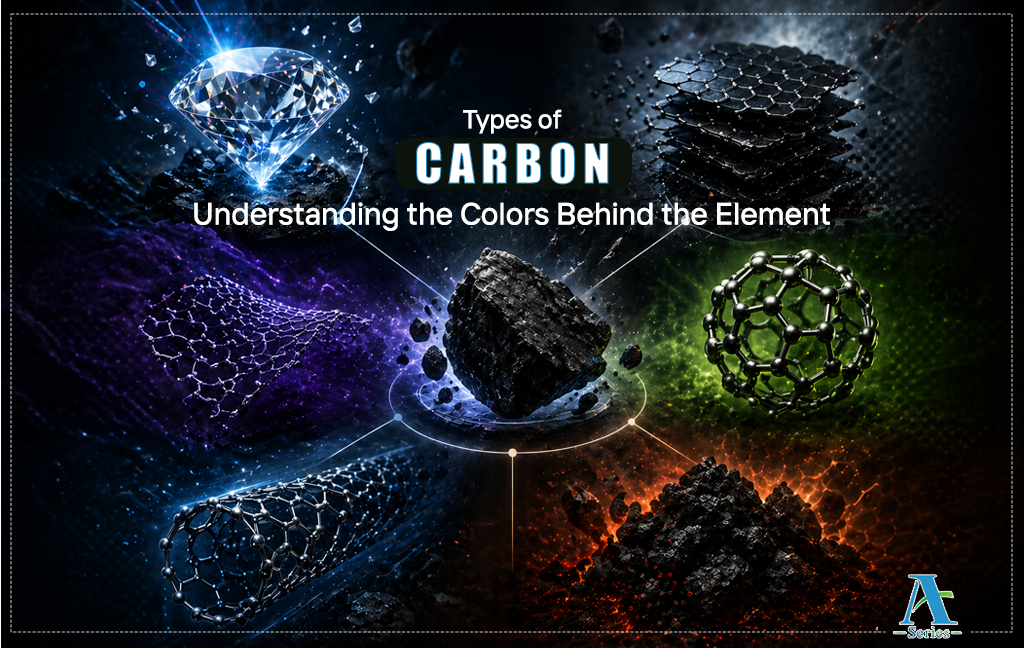
Carbon is often discussed as a single concept, especially in conversations around climate change and sustainability. For many, it is almost synonymous with carbon dioxide (CO2) emissions and global warming. However, this simplified view hides a more complex and important reality carbon exists in multiple forms, each with distinct sources, behaviors, and impacts on the environment.
Understanding these different “types” or “colors” of carbon is essential because not all carbon affects the planet in the same way. While some forms, such as black and brown carbon, contribute significantly to air pollution and rapid atmospheric warming, others like green, blue, and red carbon play a crucial role in absorbing and storing carbon, supporting ecosystems, and maintaining ecological balance. Without recognizing these differences, climate strategies can become incomplete, missing opportunities for both rapid impact and long-term sustainability.

This is why a deeper understanding of carbon diversity matters today more than ever. It enables policymakers, industries, and individuals to take more targeted and effective actions whether it is reducing harmful emissions, protecting natural carbon sinks, or promoting sustainable land and water management. In a world striving for net-zero goals and environmental resilience, knowing the different faces of carbon is not just useful it is necessary.
Black Carbon
Black carbon is a fine particulate matter produced from the incomplete combustion of fossil fuels, biomass, and wood. Common sources include diesel engines, coal-fired power plants, and open burning of agricultural waste. Unlike carbon dioxide (CO2), black carbon does not stay in the atmosphere for long, but it has a strong warming effect because it absorbs sunlight and heats the air. It is also harmful to human health, contributing to respiratory and cardiovascular diseases. Reducing black carbon emissions can deliver quick climate and health benefits.
Brown Carbon
Brown carbon is another type of particulate matter released during the burning of organic materials such as wood, crop residue, and peat. It is often associated with biomass burning and is commonly found in smoke from forest fires. Brown carbon particles absorb sunlight, though less intensely than black carbon, and contribute to atmospheric warming. Its role in climate change is still being studied, but it is increasingly recognized as an important factor in regional air quality and climate dynamics.
Red Carbon
Red carbon is a relatively newer concept and is often used to describe carbon stored in soils, particularly in agricultural and forest ecosystems. This form of carbon is closely linked to soil health and fertility. Healthy soils rich in organic carbon can improve crop yields, retain water, and support biodiversity. Practices such as conservation agriculture, afforestation, and reduced tillage help increase red carbon storage, making it a key component of sustainable land management.
Blue Carbon
Blue carbon refers to carbon captured and stored in coastal and marine ecosystems such as mangroves, seagrasses, and salt marshes. These ecosystems are highly efficient at absorbing carbon dioxide from the atmosphere and storing it for long periods in biomass and sediments. Blue carbon ecosystems not only help mitigate climate change but also provide critical benefits like coastal protection, biodiversity conservation, and livelihood support for local communities. Protecting and restoring these ecosystems is a powerful nature-based solution.
Green Carbon
Green carbon is the carbon stored in terrestrial ecosystems like forests, grasslands, and plants. Through the process of photosynthesis, plants absorb carbon dioxide and store it in their biomass. Forests, in particular, act as major carbon sinks, helping to offset greenhouse gas emissions. Deforestation and land degradation, however, release this stored carbon back into the atmosphere. Promoting reforestation, afforestation, and sustainable land-use practices can enhance green carbon storage and support climate goals.
Conclusion
Understanding the different “colors” of carbon highlights that not all carbon is the same. Each type has unique sources, behaviors, and impacts on the environment and human health. By targeting specific forms of carbon reducing harmful emissions like black and brown carbon while enhancing natural storage through green, blue, and red carbon we can develop more effective strategies to combat climate change and move toward a more sustainable future.