Environmental Impact Assessment (EIA): A Vital Tool for Sustainable Development
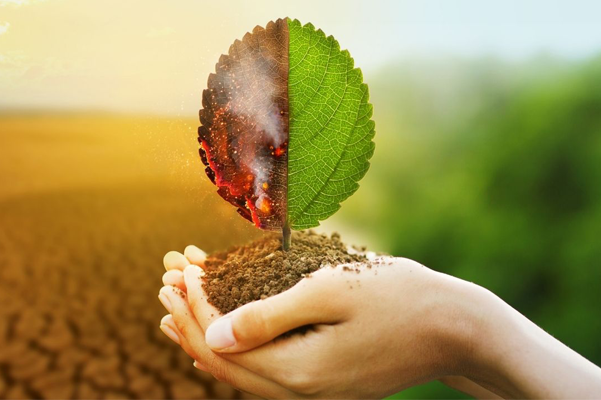
Environmental Impact Assessment (EIA) is a crucial process used to evaluate the environmental consequences of proposed projects before they commence. It is designed to ensure that development projects, whether industrial, infrastructural, or urban, are carried out in a way that minimizes their adverse impacts on the environment, balancing development goals with sustainability.
What is Environmental Impact Assessment (EIA)?
EIA is a systematic approach that identifies, predicts, and evaluates the potential environmental, social, and economic impacts of a project. It provides decision-makers with detailed information to ensure that any project goes forward with minimal harm to the environment and local communities. The EIA process generally follows these steps:
- Screening: Determines whether a project requires a full-scale EIA based on its size, nature, and potential impact.
- Scoping: Identifies the key environmental issues that need to be addressed.
- Impact Assessment: Evaluates the project's effects on various environmental components such as air, water, soil, and biodiversity.
- Mitigation: Proposes measures to avoid or minimize any adverse impacts.
- Public Consultation: Involves the community and stakeholders, ensuring their concerns are considered.
- Reporting: Results in an Environmental Impact Assessment Report (EIAR), summarizing the findings.
- Decision-making: Regulatory authorities review the report and decide whether to approve or modify the project.
- Post-project Monitoring: Ensures compliance with the mitigation measures and monitors environmental impacts throughout the project lifecycle.
The Role of EIA in Sustainable Development
Environmental Impact Assessment plays a key role in promoting sustainable development by making sure that environmental considerations are integrated into the planning and decision-making stages of any development project. The world is facing increased environmental challenges due to rapid industrialization, urbanization, and resource consumption, which is why EIA has become more important than ever.
Projects such as mining, large-scale construction, industrial facilities, and infrastructure developments can have significant environmental impacts. These impacts can range from pollution, loss of biodiversity, and water contamination to social and health consequences for local communities. EIA ensures that these potential impacts are identified at the earliest stages, allowing developers to take steps to mitigate them before they cause long-term damage.
Additionally, the EIA process is aligned with sustainable development goals, ensuring that growth can happen while preserving the environment for future generations. It supports responsible resource management, pollution control, and conservation of ecosystems, all while enabling economic growth.
Benefits of Conducting EIA
- Environmental Protection: EIA helps prevent damage to the environment by identifying risks and providing mitigation strategies.
- Compliance with Regulations: It ensures that projects comply with local, national, and international environmental regulations and guidelines.
- Improved Project Design: The EIA process encourages developers to consider alternative project designs that might reduce environmental impacts.
- Public Engagement: Through public consultations, EIA promotes transparency and gives local communities a voice in the development process.
- Reduced Costs: Identifying potential environmental problems early in the process can save costs related to remediation, fines, or litigation down the line.
Looking Forward: EIA for a Sustainable Future
As environmental challenges continue to grow, the importance of Environmental Impact Assessments will only increase. The process is a vital part of ensuring that future developments are not only economically viable but also environmentally sustainable and socially responsible. By conducting thorough EIAs, developers can not only protect the environment but also enhance their project's reputation and long-term viability.
EIA is more than a regulatory requirement—it is a commitment to sustainable development. Through careful planning and adherence to environmental standards, it is possible to achieve a balance between development needs and environmental preservation, safeguarding natural resources for future generations.