Understanding ESG Across the Value Chain: Trends, Data, and Strategic Imperatives (2025–26)
Understanding ESG Across the Value Chain: Trends, Data, and Strategic Imperatives (2025–26)
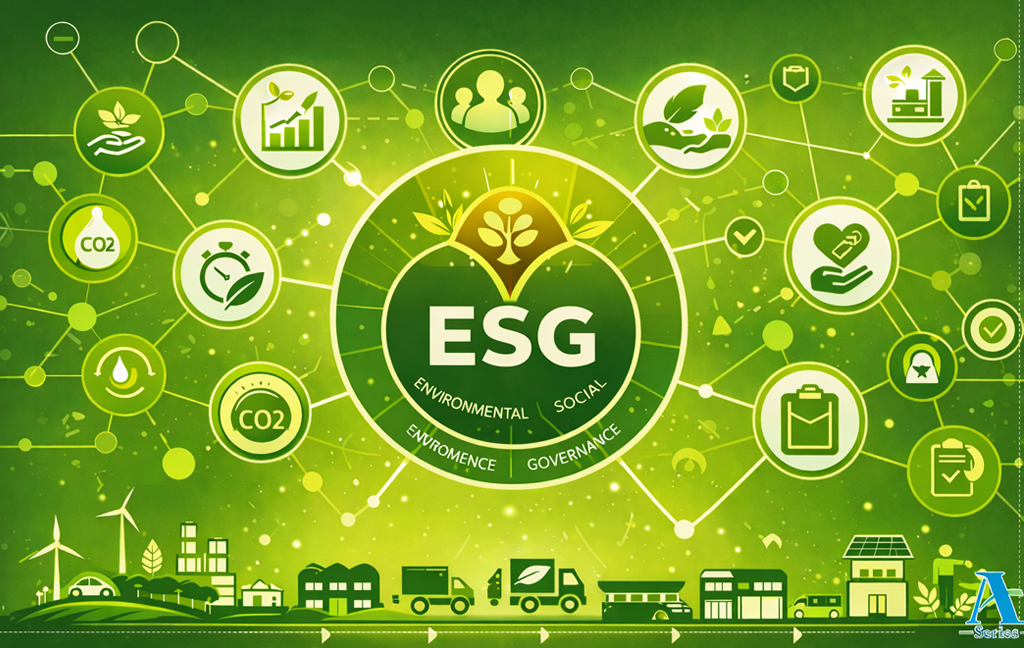
In today’s globally connected economy, ESG (Environmental, Social, and Governance) considerations are no longer confined to a company’s direct operations. Businesses are increasingly being evaluated and held accountable for the sustainability practices of their entire value chain, spanning suppliers, contractors, distributors and end users. This shift reflects both regulatory expectations and investor demands for transparency, risk management, and long-term resilience.
- What “Value Chain ESG” Really Means?
A value chain encompasses everything from the sourcing of raw materials and manufacturing processes to logistics, distribution, and product use. ESG value chain reporting focuses on:
- Environmental impacts: Emissions, energy use, water stewardship, waste, and circularity.
- Social impacts: Labor practices, human rights, worker safety, and community impacts.
- Governance: Ethical conduct, supplier compliance, transparency, and risk management.
This broader lens means businesses must integrate ESG across upstream and downstream partners, not just their own operations.
- Key Global Trends in Value Chain ESG
Uptick in Sustainability Ratings and Transparency
Global data shows a significant rise in sustainability evaluations across supply chains. According to the 2025 Global Supply Chain Sustainability Risk & Performance Index, the number of sustainability ratings has grown 167% over the past five years, with Asia-Pacific leading improvements in responsible sourcing and environmental performance. This suggests broader corporate adoption of ESG practices across supply networks.
Slow but Growing Implementation of Value Chain ESG Actions
Despite high ambitions, many organizations are still in early stages of ESG integration:
- 77% of companies surveyed plan to achieve net zero across their full value chain by 2050
- However, only about one-third have implemented concrete emissions reduction measures
- 53% are in the early phases of ESG transformation, and just 6% are in advanced stages
- 64% aim to adopt circular business models within two years
These data points highlight both momentum and the gap between ambition and implementation across industries.
- India’s Evolving ESG Value Chain Mandates
Recent developments by the Securities and Exchange Board of India (SEBI) show a major transition in how listed companies must approach ESG reporting:
Phased Value Chain Disclosure Requirements
- ESG disclosures for value chain partners will soon become part of the Business Responsibility and Sustainability Reporting (BRSR) Core framework.
- Companies will be required to disclose ESG information for their top upstream and downstream partners that individually account for ≥2% of purchases or sales by value.
- Disclosures can be capped at 75% of total purchase and sales values, offering a pragmatic reporting boundary for enterprises.
- The value chain disclosures will initially be on a voluntary basis for FY 2025–26, with assessments/assurance remaining voluntary until FY 2026–27.
- Why Value Chain ESG Reporting Is Hard (and Critical)
Transitioning from internal ESG management to value chain transparency presents challenges:
- Data collection complexity: Scope 3 emissions and supplier compliance data are often fragmented across multiple systems and partners.
- Capability gaps within SMEs: Smaller suppliers may lack the tools or expertise to measure and report ESG metrics.
- Governance and privacy concerns: Balancing granular disclosure with data protection and contractual confidentiality remains a key governance issue.
Despite these challenges, leaders recognize that value chain ESG can reduce risk, enhance resilience, and unlock opportunities, such as preferred supplier status and better access to sustainable financing.
- Looking Ahead: ESG in 2026 and Beyond
Emerging industry forecasts signal that AI and digital platforms will reshape ESG reporting, reducing manual burden and improving accuracy. Automated data aggregation, emissions modeling, and supplier dashboard tools are expected to cut ESG reporting effort significantly in 2026.
As regulations tighten globally (e.g., CSRD in the EU), businesses that proactively embed ESG into their value chains will be better positioned to meet future disclosure requirements and translate sustainability into tangible value.
- Conclusion
The shift to value chain ESG reporting reflects a broader transformation in how companies understand their impact and societal expectations. While significant challenges remain in data collection, partner engagement, and implementation—the trend toward greater transparency and accountability is clear. For businesses ready to act now, value chain ESG will be a powerful lever for resilience, competitiveness, and long-term stakeholder trust.
https://www.pwc.com.tr/esg-empowered-value-chains-2025